

March Is Social Work Month! Social Work, Then and Now: A Career I Never Planned and a Profession at a Crossroads
I did not enter social work with a grand plan or lifelong calling. I entered on a whim.
A male friend asked if I wanted to go to college with him. We enrolled at a local community college. That simple decision quietly changed the trajectory of my life.
What surprised me most was how much I loved academics. I thrived in classes, discovered my voice through writing, and began writing for the college newspaper. Eventually, I was asked to serve as Editor. For the first time, I felt intellectually engaged and purposeful in a way I had not before.
I earned an Associate’s degree in Human Services and transferred to a four year university. I performed even better there, buoyed by excellent professors who challenged and supported me. One of those professors was Salome Raheim, whose work and mentorship left a lasting impression. She modeled what it meant to be both rigorous and deeply human in social work.
I graduated in 1993 and accepted my first job at a community mental health clinic, earning $19,000 a year. The pay was modest, but the program was extraordinary. We had a robust, well funded program for people with severe and persistent mental illness, a strong interdisciplinary team, and excellent benefits. The work felt meaningful and collective. Still, the salary barely covered living expenses, so I worked part time elsewhere to make ends meet.
A few years later, I told my supervisor I was considering moving to Madison, Wisconsin for a relationship. She gave me some of the best advice of my career. She handed me The Road Less Traveled and said, “Apply to graduate school as a backup.”
I listened.
The relationship did not last, but I was accepted into the University of Wisconsin–Madison School of Social Work, studying Severe and Persistent Mental Illness, under Mona Wasow, PhD, which at the time was ranked among the top programs in the country. During my time there, I was honored to receive the Debra Beebe Scholarship, an award that remains deeply meaningful to me. The scholarship was presented by Anne Deveson, the Australian writer, broadcaster, filmmaker, and founder of the National Schizophrenia Fellowship of Australia. Meeting her, hearing her speak, and receiving that recognition in person was unforgettable. It was a moment of connection across countries, disciplines, and lived experience that shaped my understanding of social work as a global and relational profession.
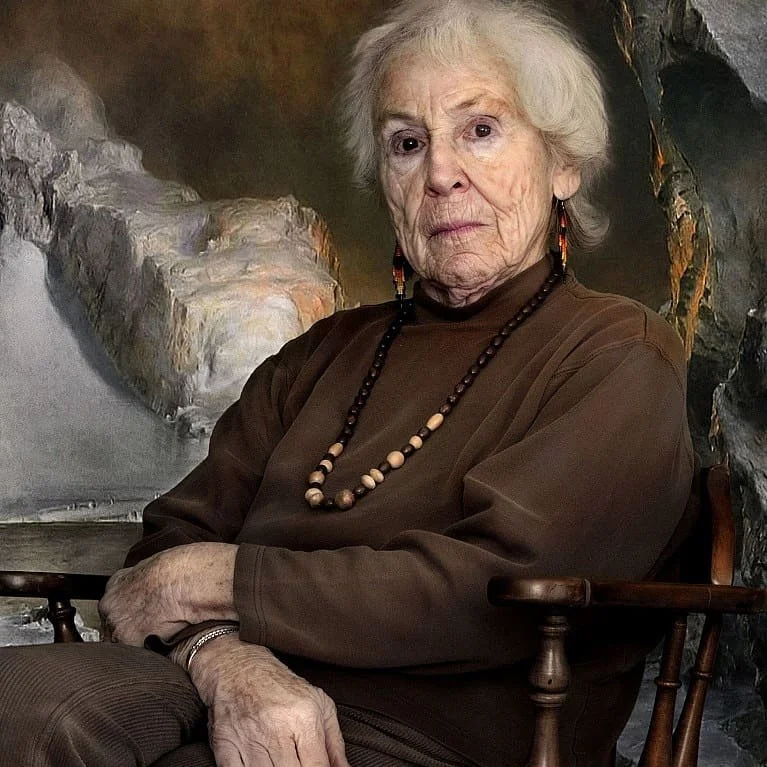
Mona Wasow, PhD, absolutely loved her. My Professor, Advisor, and Mentor at The University of Wisconsin - Madison
After graduate school, I accepted a position as a family therapist working with youth and families involved in the juvenile justice and community based mental health system. I provided in-home family therapy across six counties in eastern Iowa. It was demanding, complex work, especially for a new graduate. I learned quickly, sometimes painfully, and always in relationship with clients and colleagues.
Over time, I moved into medical social work, which became the majority of my career. Later still, during the pandemic, I returned to psychotherapy, providing therapy online to clients across several states. The medium changed, but the heart of the work remained the same.
Looking back, what stands out is how much social work itself has changed.
In the early 1990s, there were more community based, publicly funded programs. There was a sense of infrastructure and collective responsibility, even if imperfect. Over the decades, many of those programs have been defunded or hollowed out. Today, we see troubling trends, including veterans being encouraged toward guardianship arrangements that echo historical injustices, such as those imposed on Native Americans, where guardians controlled finances and land under the guise of care.
At the same time, social work education has shifted dramatically online. While online education increases access, it often lacks the cohort experience, in person debate, mentorship, and community immersion that shaped my training. New graduates are increasingly encouraged to move directly into private practice, sometimes without extensive life experience or exposure to community based work. They may never sit in a room with peers wrestling with ethical dilemmas. They may never meet an international advocate who hands them a scholarship and expands their sense of what social work can be.
This raises hard questions.
How are we preparing future social workers?
Where is the funding for client programs?
What happens to a profession rooted in community when community itself is no longer centered?
As we look toward a future shaped by artificial intelligence, shrinking public funding, and increasing isolation, these questions matter more than ever. Social work must remain grounded in relationship, context, and justice, not just efficiency or individual entrepreneurship.
I did not plan to become a social worker. But I stayed because of the people, the communities, and the moments of deep human connection that no algorithm can replicate. As we celebrate Social Work Month, my hope is that we remember not only where the profession is going, but what we risk losing along the way.
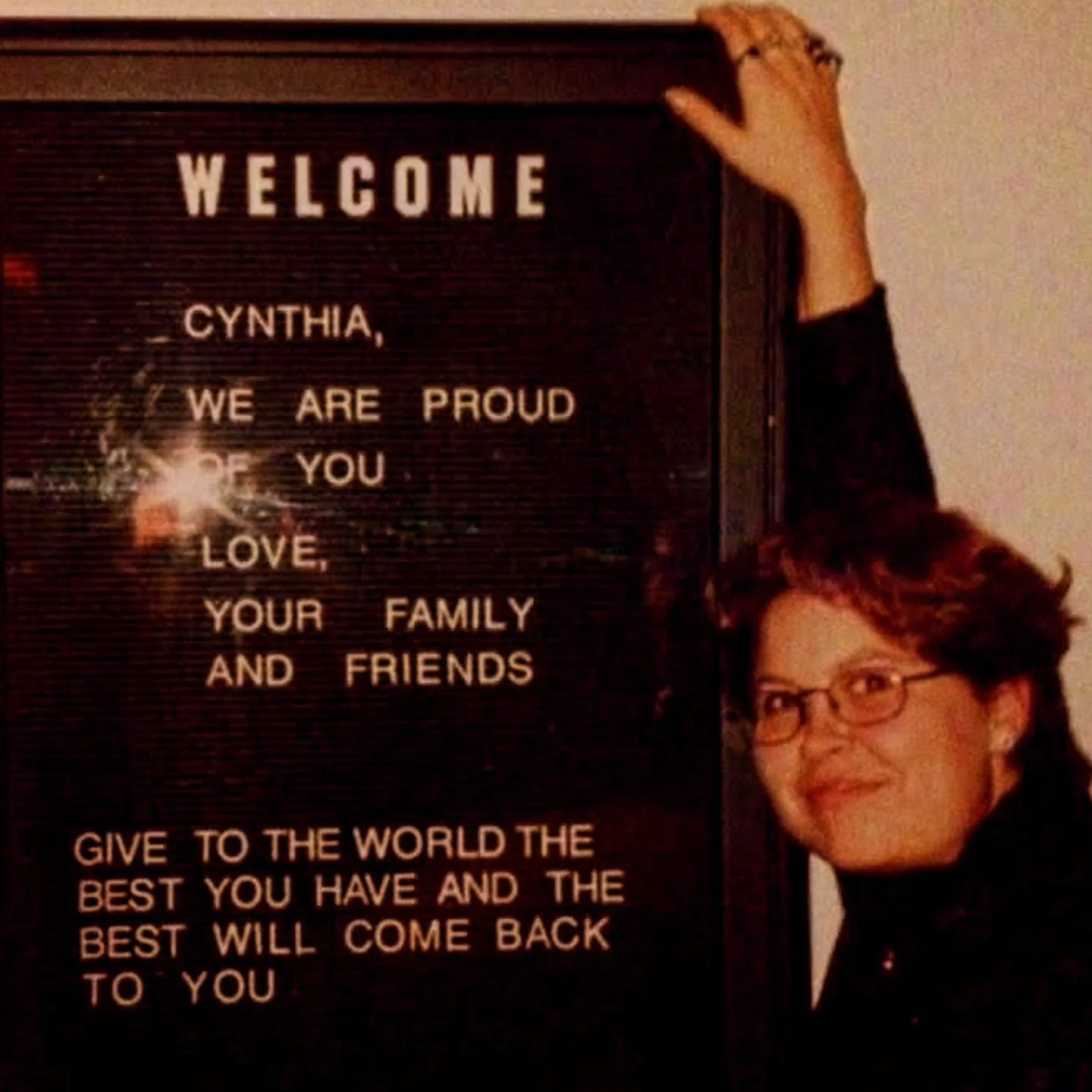
Cynthia Djengue, 1997, graduated with a Master of Science in Social Work from the University of Wisconsin - Madison and earned the Debra Beebe Scholarship Award
